
Products
Taylor
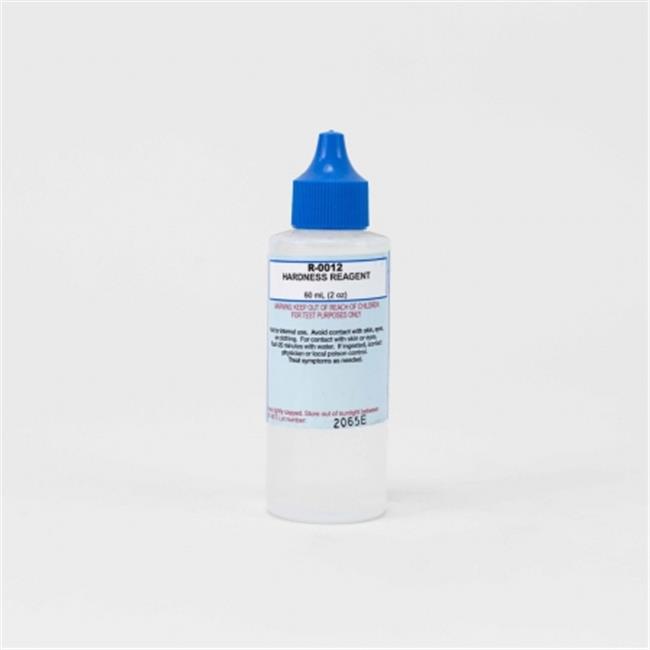
TAYLOR R-0012-A TAYLOR No.12 HARDNESS REAGENT
Upgrade to unlock this product- Shipping Cost (lower 48): $6.09
- SKU: BSPS640
- Asin: B0002IXIY0
- Manufacturer Part #: R-0012-A
- Qty Available: 366
- Shipped By: 2 days
- Stock: In Stock
Please login to view pricing details.
Product Description
Features
- Chemical family - Organic chelant solution
- Ethylenediaminetetra - acetic acid
- Deionized water
- STATE - Liquid
- Appearance - Clear, colorless
- Odor - None
- Boiling pt (f) - 212
- pH - 8.1
- Specific gravity - 1
- Vapor pressure (mm Hg) - 17
- Vapor density (air=1) - .6
- Percent volatile by volume - 99
- Solubility in water - Soluble
- FLASH PT - NA
- METHOD - NA
- Flammable limits - lEL - NA UEL - NA
- Extinguishing media - Dry chemical, carbon dioxide
- Special procedures - Wear self-contained (positive pressure if available) breathing apparatus and special protective clothing
- FIRE/Explosion hazards and hazardous decomposition products - May react violently with water. May react with metals to produce hydrogen gas. May ignite combustible materials. May emit toxic fumes of sulfur oxides.
- Nfpa code - Health - 1
- Flammability - 0
- Reactivity - 0
- Specific - NA
- Conditions to avoid - Extreme heat, temperatures.
- Ingredient - Sulfuric acid
- Toxicity - LD50(orl-rat) - 2000 mg/kg
- PEL - 1 mg/m3
- TLV - 1 mg/m3
- Stel - 3 mg/m3
- Route(s) of entry - Inhalation Ingestion X Skin X
- Target organ(S) - Eyes, skin
- Carcinogenicity - NTP No IARC No OSHA No
- Health hazards and symptoms of exposure
- EYES - Irritant. Contact may cause burns.
- SKIN - Irritant. Contact may cause burns.
- INGESTION - Irritant. May cause gastrointestinal irritation.
- Inhalation - na
- medical conditions aggravated by exposure - Eye and skin conditions
- Protective equipment - General purpose gloves, safety glasses, lab coat
- Handling - Avoid contact with eyes, skin, and clothing. Avoid breathing chemical. Wash thoroughly after handling.
- Storage - Cool, dry area. Avoid direct sunlight
- Eye and skin contact - Immediately flush eyes with water for 20 minutes or until chemical is removed. Call physician. Wash skin thoroughly with soap and water.
- INGESTION - Give large amounts of water or large amounts of water with milk of magnesia. Call physician. Do not induce vomiting. do not give anything by mouth to a person who is unconscious, rapidly losing consciousness, or convulsing
- Spill or release - Neutralize with soda ash. Absorb with vermiculite or other inert material.Containerize for later disposal.
- DISPOSAL - Incineration or other method to comply with all local, state, and federal regulations.
- NA - Not applicable
- ND - Not determined
- NE - Not established
 upgrade to unlock this product
A Plus Stain Remover 2 lbs- pack of 12
upgrade to unlock this product5 lbs Multishock
upgrade to unlock this product1 qt. Phosphate Remover- pack of 12
upgrade to unlock this product1 qt. Pool Clarifier- pack of 12
upgrade to unlock this product1 qt. Super Floc Out Debris Settler- pack of 12
upgrade to unlock this product